Tuesday, 2 December 2025

Digital Smart Magic Mirror Display Vertical Advertising Screens for Clothing Store

 Digital Smart Magic Mirror Display Vertical Advertising Screens for Clothing Store


Products Description
smart fitting gym magic mirror display interactive fifting magic mirror 23/32/43inch fitness mirror touch screen
Features:

1: Support mobile phones/tables/computer to show on fitness classes onto mirror.

2: You can choose any live workout classes you like.

3:Mirror show your fitness movements, then you can correct body shape when do exercising.
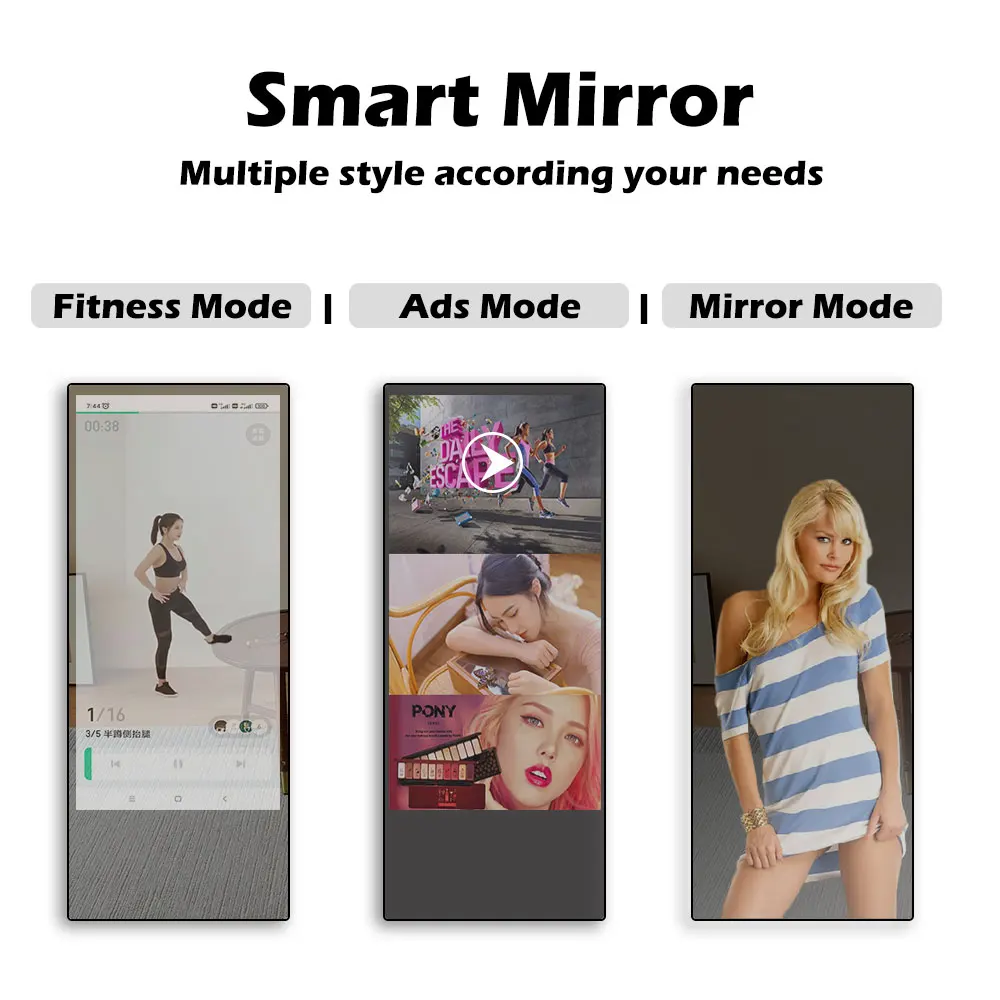

4.We can offer customized service according your need even if you buy one piece .
Warranty
1 Year
After-sale Service
Online technical support, Other
Project Solution Capability
graphic design
Application
Gym,Hospital,Bathroom,Other
size
21~55 inch
Scale
16:9
Resolution
1920*1080
Angle of view
89/89/89/89
Contrast ratio
2000:1
Response time
6ms
Color
16.7M
LED life time
50000Hr
Related Products

High Brightness Display

Round Display

Square Display

Double-Side Advertising Display

Magic Mirror Advertising Display

Video Wall Display

A-shape Digital Poster Kiosk

3D Display Transparent

Digital Signage Shelf


Smart Magic Mirror Display: The Future of Vertical Advertising in Clothing Stores

In the fast-evolving retail industry, customer engagement is everything. Clothing stores today need more than just great products — they need immersive, interactive experiences that attract attention and encourage buyers to explore. This is where the 32-inch LCD Smart Magic Mirror Display steps in. Combining cutting-edge technology with sleek aesthetics, this digital solution is transforming how fashion brands showcase their collections and interact with shoppers.


What Is a Smart Magic Mirror Display?

A Smart Magic Mirror Display is a dual-function digital screen that works both as a traditional mirror and a high-definition advertising display. When the screen is active, it plays promotional content, product videos, or interactive visuals. When inactive, it looks like a regular mirror — perfect for fashion stores, trial rooms, and luxury boutiques.

The 32-inch vertical LCD version is particularly popular due to its compact size, modern design, and versatility in retail environments.


Why Clothing Stores Are Adopting Magic Mirror Displays

1. Enhances Customer Experience

Customers today expect an interactive shopping environment. Magic mirror displays help create a futuristic vibe where shoppers can visualize products, explore new arrivals, and engage with digital content right inside the store.

2. Dual-Purpose: Mirror + Advertising Screen

One device performs two functions:

  • A stylish mirror for customer use

  • A dynamic advertising screen showcasing products, promotions, and branding

This reduces the need for printed posters and makes visual merchandising smarter.

3. Perfect for Tight Store Layouts

The 32-inch vertical size fits easily in:

  • Store entrances

  • Trial rooms

  • Display corners

  • Behind the counter

  • Product display sections

Its slim profile and strong brightness make it eye-catching without taking up valuable retail space.


Top Features of the 32-inch Smart Magic Mirror Display

✔ High-Resolution LCD Panel

Crisp, vibrant visuals that enhance the look of fashion videos, model shoots, and product promotions.

✔ Smart OS Compatibility

Most models support:

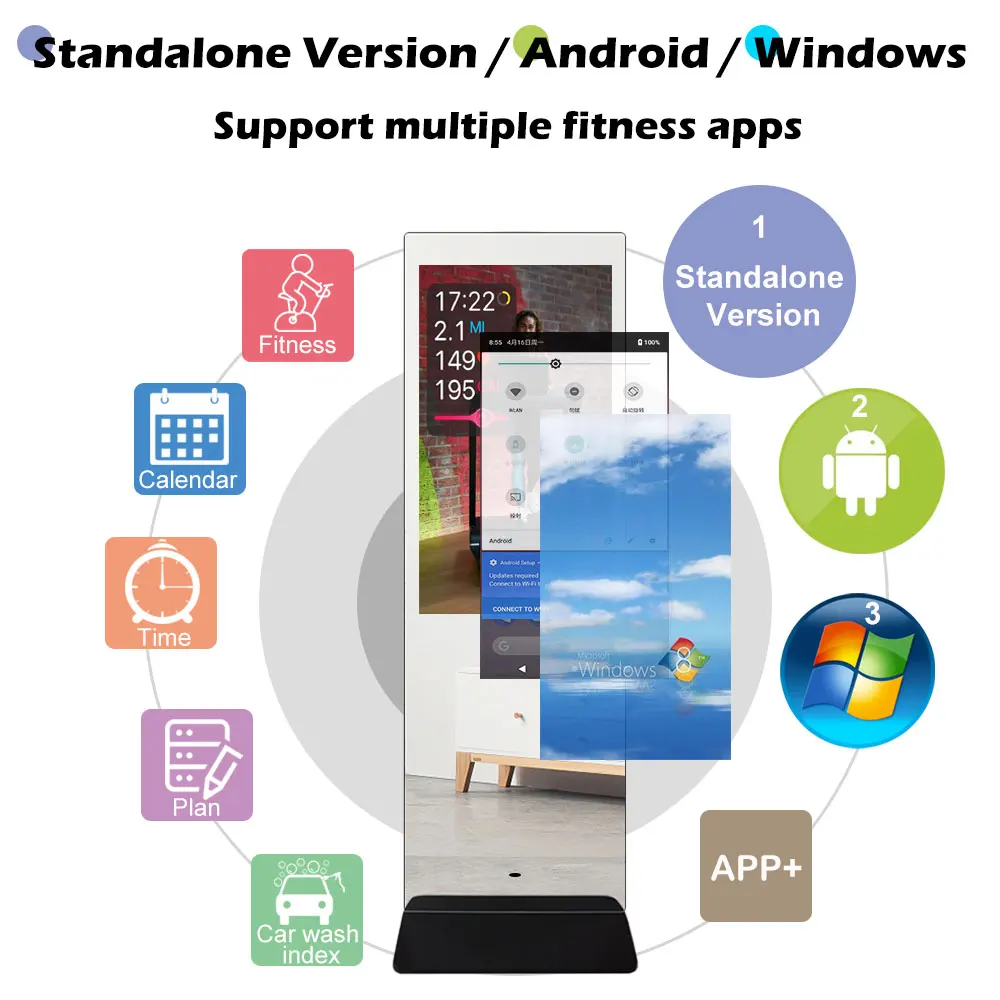
  • Android OS

  • Windows OS

  • Custom CMS platform

This makes it easy to manage content remotely.

✔ Touchscreen Options Available

Clothing stores can choose between:

  • Non-touch versions (simple display)

  • Touch-enabled versions for interactive catalogs

Touch models allow customers to browse outfits, check sizes, and explore styling tips.

✔ Remote Content Management

Stores can update content instantly using cloud-based CMS:

  • Schedule new arrivals

  • Launch offers

  • Show festival-season collections

  • Display brand stories

This eliminates manual effort and ensures real-time updates.

✔ Durable, Scratch-Resistant Mirror Surface

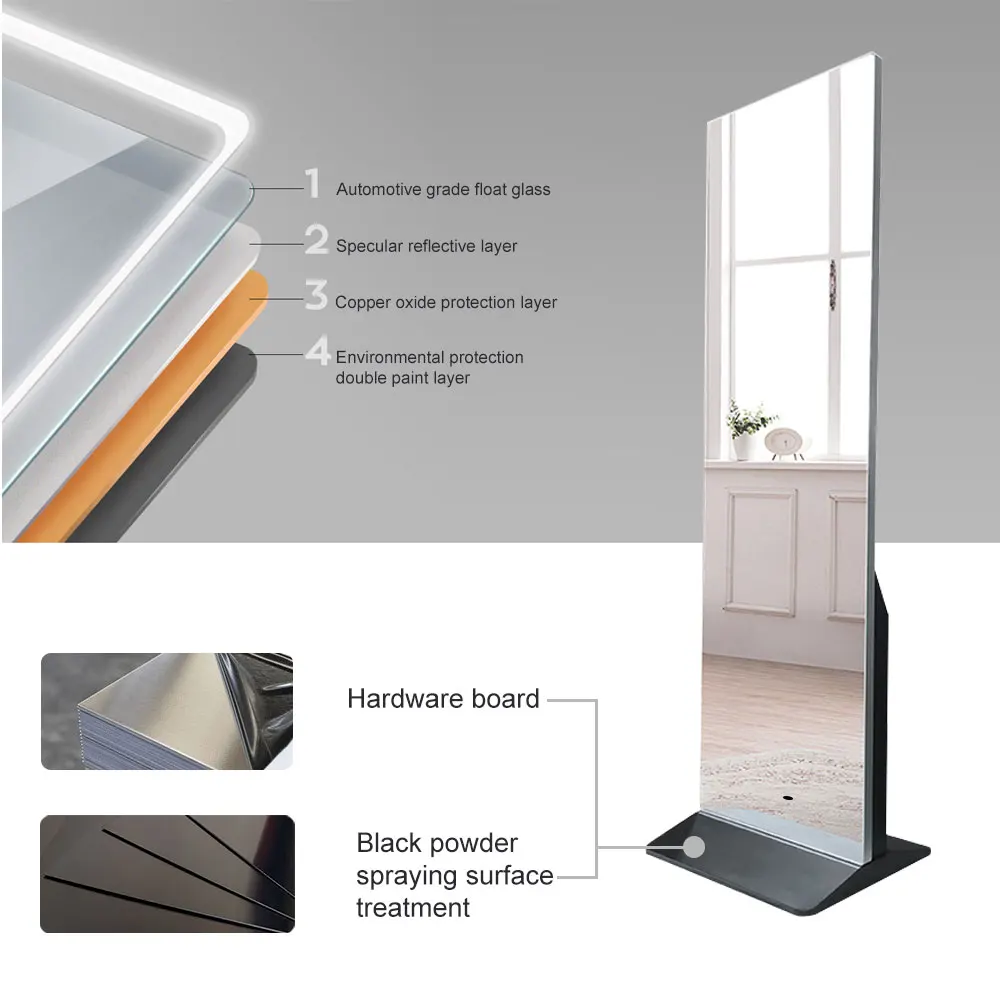
Perfect for spaces with heavy footfall.


Benefits for Clothing Retailers

1. Increased Footfall & Engagement

Interactive digital displays capture attention much better than static posters. More engagement = more sales opportunities.

2. Stronger Brand Positioning

Fashion brands stand out by offering tech-enabled experiences, giving shoppers the sense of being in a premium, modern environment.

3. Boosts Sales Through Visual Influence

Showing how clothes look on models or celebrities inspires impulse purchases and showcases product quality in a better light.

4. Saves Money on Printing & Traditional Visuals

Digital displays reduce repetitive printing expenses and make updates instant.


Where Can You Use Smart Magic Mirrors in Clothing Stores?

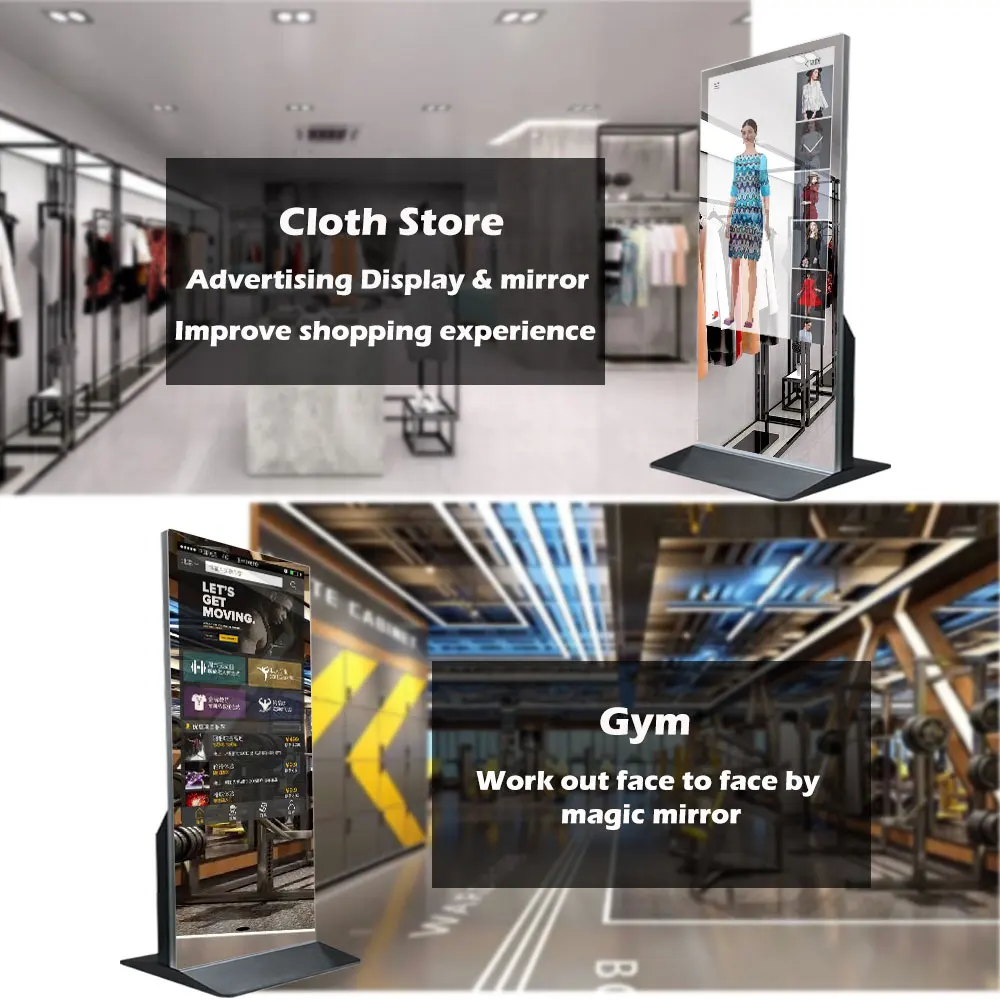
  • Store entrance for welcoming visuals

  • Trial rooms for styling tips

  • Walkways for promotional videos

  • Product display zones for new arrivals

  • Behind cashier counters for branding visuals

  • Boutique corners for luxury displays


The Future of Digital Retail Displays

Smart mirrors are not just a trend — they are the future of retail. With AI integrations, virtual try-ons, and personalized recommendations on the horizon, the 32-inch LCD Smart Magic Mirror is just the beginning of next-generation retail technology.

From elevating brand identity to boosting customer satisfaction, these interactive displays are a must-have for any modern clothing store looking to stay ahead.


Final Thoughts

If you're looking to upgrade your clothing store with powerful, space-efficient, and highly engaging technology, the 32-inch LCD Smart Magic Mirror Display is a perfect choice. It blends style, functionality, and innovation — giving your customers a memorable shopping experience and helping your store stand out from the competition.


Saturday, 14 September 2024

Difference Between Large Format Display (LFD) & Interactive Panel for Smart Classrooms


Difference Between Large Format Display (LFD) & Interactive Panel for Smart Classrooms: Specifications and Features

In a smart classroom setting, both Large Format Displays (LFDs) and Interactive Panels offer powerful digital solutions for delivering content, but they serve different purposes and come with unique features. Below is a detailed comparison to help understand the differences, along with the specifications of both types of displays.


1. Large Format Display (LFD) for Smart Classrooms

Key Features:

  • Non-Interactive Display: LFDs are primarily large digital screens that serve as high-quality visual displays, but they lack touch or interactive capabilities.
  • Size Range: Typically available from 55 inches to 98 inches or larger, offering flexibility depending on classroom size.
  • Resolution: Available in Full HD (1920x1080), 4K (3840x2160), and even 8K (7680x4320) resolutions, providing crystal-clear visuals.
  • Brightness: Ranges between 350 to 700 nits for indoor usage, ensuring clear visibility in well-lit classrooms.
  • Display Type: LED or OLED technology, offering energy-efficient and vivid colors.
  • Viewing Angle: 178° horizontal and vertical, allowing students from any seat to have a clear view.
  • Refresh Rate: 60Hz to 120Hz, providing smooth video playback.
  • Ports & Connectivity: Equipped with HDMI, DisplayPort, USB, LAN, and Wi-Fi for easy connectivity to computers, media players, and network systems.
  • Durability: Designed for 24/7 use in commercial settings, with robust build quality.
  • Mounting: Wall-mountable or can be placed on a stand, depending on the classroom setup.

Advantages:

  • High-Quality Visuals: Large screen sizes with high resolution make it ideal for presenting video lessons, images, presentations, and slides.
  • Durable for Continuous Use: Built for 24/7 operation, making it highly reliable for schools that need continuous usage throughout the day.
  • Multiple Inputs: Supports multiple input sources, allowing teachers to easily switch between different devices such as laptops, projectors, or media players.

Disadvantages:

  • No Touch Functionality: LFDs cannot support touch interactions, meaning the teacher or student cannot interact directly with the screen.
  • Requires Additional Hardware for Interaction: To make the classroom interactive, LFDs often need additional hardware, such as an external projector or interactive whiteboard.

Applications:

  • Lecture Presentations
  • Displaying Multimedia Content
  • Video Conferencing
  • Screen Mirroring from Computers/Smart Devices

2. Interactive Panel for Smart Classrooms

Key Features:

  • Touchscreen Display: Interactive panels come with touch capabilities, often supporting multi-touch (up to 20 points), allowing for collaborative interaction on the screen.
  • Size Range: Typically available in 55 inches, 65 inches, 75 inches, and 86 inches, which are ideal sizes for smart classrooms.
  • Resolution: Available in 4K (3840x2160) resolution, offering high-definition visuals and enhanced color accuracy.
  • Brightness: 350 to 500 nits, providing clear visuals even in well-lit classrooms.
  • Touch Technology: Infrared (IR) touch or capacitive touch technology for precise and responsive touch input.
  • Built-in Software: Often comes with pre-installed educational software and apps, such as whiteboard functionality, annotation tools, and screen recording.
  • Operating Systems: Runs on Android or Windows, allowing compatibility with a wide range of apps and cloud-based tools.
  • Pen Support: Some models offer stylus support, allowing teachers and students to write or draw on the screen as they would on a traditional whiteboard.
  • Connectivity: HDMI, USB, Wi-Fi, Bluetooth, and LAN ports for connecting with various devices like computers, tablets, and the internet.
  • Audio & Microphone: Built-in speakers and microphones for audio playback and voice interaction, useful in distance learning setups.
  • Durability: Scratch-resistant and durable glass with an anti-glare coating, designed for heavy usage in classrooms.

Advantages:

  • Interactive Learning: Touch capabilities enable interactive lessons, allowing students to engage with the content directly on the screen. Teachers can annotate, draw, and manipulate objects on the screen.
  • All-in-One Solution: Combines a display, whiteboard, and computer in one, eliminating the need for multiple devices in the classroom.
  • Supports Collaboration: Multi-touch capability allows multiple students to interact with the screen simultaneously, encouraging group activities and collaborative learning.
  • Built-in Educational Software: Comes with apps and tools that are specifically designed for education, making it easier for teachers to plan and execute interactive lessons.
  • Real-Time Feedback: Teachers can instantly annotate and provide real-time feedback on student work during lessons.

Disadvantages:

  • Higher Initial Cost: Interactive panels are typically more expensive than non-interactive LFDs.
  • Smaller Size Compared to LFDs: While highly functional, interactive panels are typically available in smaller sizes compared to large-format displays.

Applications:

  • Interactive Lessons
  • Collaborative Group Activities
  • Annotating Documents/Presentations
  • Virtual Classrooms
  • Distance Learning

Comparison Table: Large Format Display vs. Interactive Panel

FeatureLarge Format Display (LFD)Interactive Panel
InteractivityNon-interactiveMulti-touch, interactive display
Size Range55” to 98” or larger55”, 65”, 75”, 86”
ResolutionFull HD, 4K, 8K4K
Brightness350-700 nits350-500 nits
Touch TechnologyNot supportedInfrared (IR) or Capacitive Touch
SoftwareNo built-in software; requires external devicesPre-installed educational software and apps
Operating SystemNone, acts as a display screenAndroid, Windows
Audio & MicrophoneRequires external sound systemBuilt-in speakers and microphone
Durability24/7 commercial-grade durabilityDurable with scratch-resistant glass, designed for classroom use
UsagePresentations, video playback, lecture contentInteractive lessons, collaboration, real-time annotation
PriceGenerally lower costHigher initial cost

Which One Is Better for Smart Classrooms?

  • Large Format Display (LFD): Ideal for schools or classrooms where the focus is primarily on content delivery, such as displaying presentations, videos, or conducting remote lectures. It’s a better option for schools with limited budgets that need a reliable, large-screen display without touch functionality.

  • Interactive Panel: The interactive panel is the preferred choice for smart classrooms aiming to promote engaged, interactive learning. Its touch functionality, built-in educational tools, and collaborative features make it more suitable for creating dynamic lessons, fostering student participation, and enabling real-time interaction with the content.


Use Cases by Sector:

1. Schools (K-12 and Higher Education)

  • Large Format Displays (LFDs):
    • Best suited for showing lectures, videos, and presentations to large audiences.
    • Often used in assembly halls, lecture theaters, or for passive viewing in classrooms.
  • Interactive Panels:
    • Ideal for interactive lessons, where students and teachers can collaborate in real time.
    • Supports group projects, annotation on lessons, and problem-solving activities in smart classrooms.

2. Corporate

  • Large Format Displays (LFDs):
    • Used for boardroom presentations, executive meetings, and training seminars.
    • Suitable for video conferencing, where the focus is on displaying high-quality visuals.
  • Interactive Panels:
    • Useful for brainstorming sessions, project management meetings, and collaborative workspaces.
    • Teams can annotate documents, draw diagrams, and share content in real time during presentations.

3. Hospitals and Healthcare

  • Large Format Displays (LFDs):
    • Used in waiting areas, conference rooms, or lobby areas for displaying patient information, educational content, or hospital communications.
  • Interactive Panels:
    • Enables interactive discussions among medical staff, where they can annotate patient charts, plan treatments, or conduct medical training.
    • Allows for remote consultation with specialists using video conferencing.

4. Government Organizations

  • Large Format Displays (LFDs):
    • Used for announcements, public information, and displaying real-time data in control rooms or public venues.
  • Interactive Panels:
    • Best suited for collaborative decision-making, such as in crisis management centers, where various teams can interact with shared data in real time.
    • Useful for briefings, remote government meetings, and interactive planning sessions.

Conclusion:

Both Large Format Displays (LFDs) and Interactive Panels serve distinct purposes in a smart classroom. While LFDs are suited for passive content delivery with high-quality visuals, interactive panels take classroom engagement to the next level by allowing touch interaction, collaboration, and hands-on learning experiences. Schools must choose between them based on their specific teaching needs, budget, and the level of interaction they wish to incorporate into the classroom.

Wednesday, 14 August 2024

How to Track Your Child’s Activity on Smartphones, TVs & Android Devices Using a Gmail Account

How to Track Your Child’s Activity on Smartphones, TVs & Android Devices Using a Gmail Account.


In today’s connected world, keeping track of your child's digital activities across various devices is crucial for their safety and responsible screen time management. Fortunately, with a Gmail account and Google’s suite of tools, you can effectively monitor and manage your child's usage on smartphones, TVs, and Android devices. This comprehensive guide will walk you through the process, utilizing Google’s ecosystem to ensure a safe and controlled digital environment for your child. #1: Setting Up Google Family Link for Device Monitoring Google Family Link is a powerful tool designed to help parents manage their child's digital life on Android devices. Here’s how to set it up and make the most of its features: Download Family Link: For Parents: Install the Family Link for Parents app from the Google Play Store or Apple App Store. For Children: Download Family Link for Children & Teens on your child's Android device. Create and Link Google Accounts: Create a Google Account: If your child doesn’t have a Google account, Family Link allows you to create one for them. Link Accounts: Follow the prompts in the Family Link for Parents app to link your account with your child’s account. Configure Parental Controls: Screen Time Management: Set daily screen time limits to ensure a balanced digital lifestyle. App Control: Approve or block app installations and manage app permissions to keep inappropriate content at bay. Location Tracking: Use Family Link to locate your child’s device if needed. Content Restrictions: Filter out inappropriate websites and content. Key Features: Activity Reports: Get detailed reports on app usage and screen time. Remote Management: Adjust settings and controls remotely from your own device. #2: Monitoring Google Account Activity Beyond Family Link, Google’s account management tools offer additional insights into your child’s online activities. Here’s how to use them: Access Google Account Settings: Log into your Gmail account and navigate to Google Account. Review Activity Controls: Go to Data & Personalization - Activity Controls to review your child’s search history, YouTube activity, and other interactions with Google services. Use Google Dashboard: Visit Google Dashboard for a comprehensive overview of your child’s activity across Google services, including Gmail, Google Drive, and more. Set Up Google Alerts: Configure Google Alerts for keywords related to online safety and potential risks. This will keep you informed about trends or threats that could affect your child. Key Features: Activity Insights: Access detailed logs of search and viewing history. Alert Notifications: Stay updated on specific keywords or activities that may concern you. #3: Managing TV and Streaming Content To ensure that your child has a safe viewing experience on smart TVs and streaming platforms, follow these steps: Google Account Restrictions: Set up parental controls on your child’s Google account to restrict content accessible via smart TVs and streaming devices. Streaming Service Controls: YouTube: Enable Restricted Mode on the YouTube app to filter out inappropriate content. Consider using YouTube Kids for a more controlled experience. Google TV: Check and configure parental controls on your child’s Google TV or streaming device to manage content access and restrictions. Key Features: Content Filtering: Limit access to specific types of content or channels. Profile Management: Create and manage age-appropriate profiles and settings. Maintain Open Communication: Regularly talk to your child about their online activities and explain the reasons behind monitoring. Foster an environment of trust and understanding. Review Settings Regularly: Periodically review the settings and reports from Family Link and Google’s activity tools to stay updated on your child’s usage and adjust controls as needed. Educate About Online Safety: Teach your child about online privacy, security, and the importance of recognizing potential risks. Encourage responsible digital behavior and open dialogue about online experiences. Establish Clear Guidelines: Set clear rules for device usage, including time limits and acceptable content. Ensure your child understands these guidelines and the reasons for them. Summary By leveraging Google Family Link, Google account management tools, and parental controls on smart TVs and streaming devices, you can effectively monitor and manage your child’s digital activities. Integrating these tools with regular communication and educational efforts will help create a safe and balanced digital environment for your child. Hashtags: #ParentalControls #GoogleFamilyLink #DigitalParenting #ChildSafety #SmartphoneMonitoring #TVMonitoring #AndroidParentalControl #GoogleAccount #OnlineSafety #FamilyTechManagement

Linux Solutions

How to install Xvidcap on ubuntu 13.04 or 12.04 step by step ?

To install Xvidcap on ubuntu 13.04 or 12.04 step by step Xvidcap is desktop movement capture tool to convert on video format . This soft...